


















 Epixel Watch: Market Trends and Insights
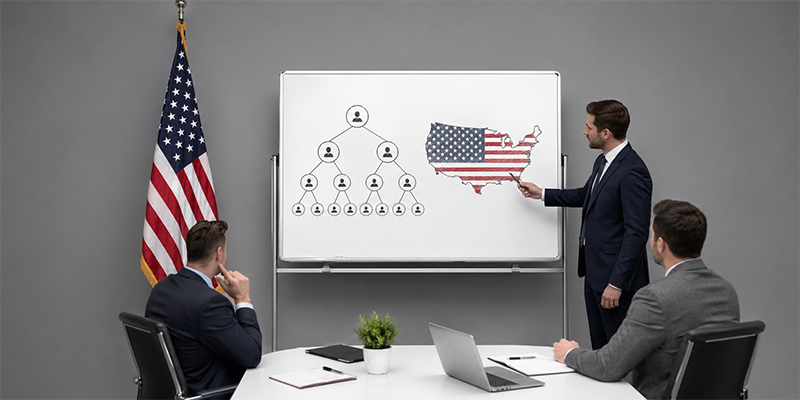
The US direct selling industry is the largest and fastest growing direct selling market in the world. Hundreds of veteran and newbie direct selling companies contribute to its expansion every year. In 2024, the US direct selling industry generated $34.7 billion, roughly one-fifth of global direct sales. The industries in the region are also diverse with companies operating across health and wellness, cosmetics and personal care, household goods, fashion and accessories among others.
The success is often driven by the uniqueness in product quality, marketing strategy, entrepreneurial opportunity, or compensation structure. The market research team at Epixel analyzed the US direct selling industry with available data from credible sources to understand the winning strategies across customer acquisition, distributor engagement, technology adoption, and channel optimization that the companies in the US adopted in the past and present to achieve success and consistent growth.
Data from DSAs, WFDSA, company official websites, Direct Selling News, and Business For Home were used to compile the article.
Performance of the US direct selling industry (2020-2024)
The US direct selling industry has shown a downward trend after its peak performance in 2021. The total retail sales dropped from $42.7 billion to $34.7 billion in 2024, an overall drop of 19%. This decline was accompanied by a drop in the number of direct sellers which fell from 16.2 million in 2021 to 12.2 million in 2024 (a decline of ~−25%). Even amid the declines, sales per distributor increased from $2634 to $2852.
| Year | Direct retail sales (In $ billion) | YoY | Number of distributors (Million) | YoY | Sales per distributor ($ per rep) |
|---|---|---|---|---|---|
| 2020 | 40.1 | 13.90% | 16.7 | 1.90% | ~$2,406 |
| 2021 | 42.7 | 6.40% | 16.2 | -2.80% | ~$2,634 |
| 2022 | 40.5 | -5.00% | 14.6 | -9.90% | ~$2,775 |
| 2023 | 36.7 | -9.50% | 13 | -11.00% | ~$2,822 |
| 2024 | 34.7 | -5.20% | 12.2 | -6.20% | ~$2,852 |
Source: WFDSA
Looking at the performance of the industry along a four-year period, we see an interesting trend. The industry is moving toward a productivity-focused model where active distributors are generating higher average sales. This hints at improved efficiency, better targeting, and efficient customer-centric strategies. The industry appears to be moving from recruitment-focused to sustainability-focused through performance and engagement.
Product category trends (2020-2024)
Health and wellness products contribute a larger share to direct selling retail revenue each year. However, the data during the 2020-2024 period shows that there has been a decline from 37.4% in 2020 to 30.7% in 2024. This could possibly be due to the post pandemic demand drop, market saturation, or increasing competition within the segment.
Another interesting trend in contrast is the growth of the financial services sector at 5.2% percentage points. This shows that service-led advisory-based direct selling models are gaining attention and growing faster.
| Category | 2020 | 2024 | Change |
|---|---|---|---|
| Wellness | 37.40% | 30.70% | −6.7pp |
| Financial Services | 11.20% | 16.40% | +5.2pp |
| Household Goods | 15.10% | 11.90% | −3.2pp |
| Cosmetics | 12.90% | 9.60% | −3.3pp |
| Clothing | 6.10% | 4.70% | −1.4pp |
Source: WFDSA
Other product categories such as household goods, cosmetics, and clothing have experienced steady declines and this could be due to drop in demands or increase in competition. The data from WFDSA clearly pictures a shift from product-centric approaches toward value-driven services.
Strategic approaches observed in the US direct selling industry
Lots of direct selling companies based within and outside the US have achieved success in the country’s direct selling industry. Factors that contributed to this are undoubtedly the quality of products and services but strategies adopted to bring them into the market are also major contributors. Let us analyze those strategies across various business aspects such as customer acquisition, technology adoption, sustainability, distributor acquisition and retention, compliance, marketing channel, and brand positioning.
Customer acquisition and retention strategies
US market is diverse with different ethnic groups and customer segments, each with its own preferences and buying behaviors. Hence strategies for customer acquisition are centered around these.
Hispanic market focus
The companies in the country target Hispanic and Latino consumers through engagement strategies that combine their culture and product curiosity. It is done through localized communication channels in language they are most comfortable with, Spanish or English. Product messaging and promotions are aligned with community preferences and cultural values such as family and trust are considered when designing strategies to influence purchase behavior.
Cultural approach to customer acquisition by Bravenly Global
Margarita Vargas was appointed as the President of the company’s US Hispanic market to strengthen customer relationships from within the community. Under her leadership the company expected to expand into the Hispanic market with culturally aligned strategies, leadership development, and growth. The company invested in specialized leadership and provided market-specific training to attract and engage Hispanic consumers and entrepreneurs.
Community-based club model
This business model leverages direct selling’s face-to-face approach to relationship building. In the community-based club model, products are introduced to individuals in physical, semi-private places. This communion educates users through social interactions and guided experiences before purchasing. This approach is good to build strong relationships that ensure repeated product usage rather than one-time sales.
Herbalife communities

Herbalife communities
Herbalife encourages its distributors to run Nutrition Clubs to build communities where customers interact with other product users, receive coaching on nutrition, and participate in wellness activities. Community members are invited with personal invitations to give a personal touch to events. Through this, distributors can expand their network with reliable referrals than depending on high-cost marketing activities.
Subscription and autoship programs
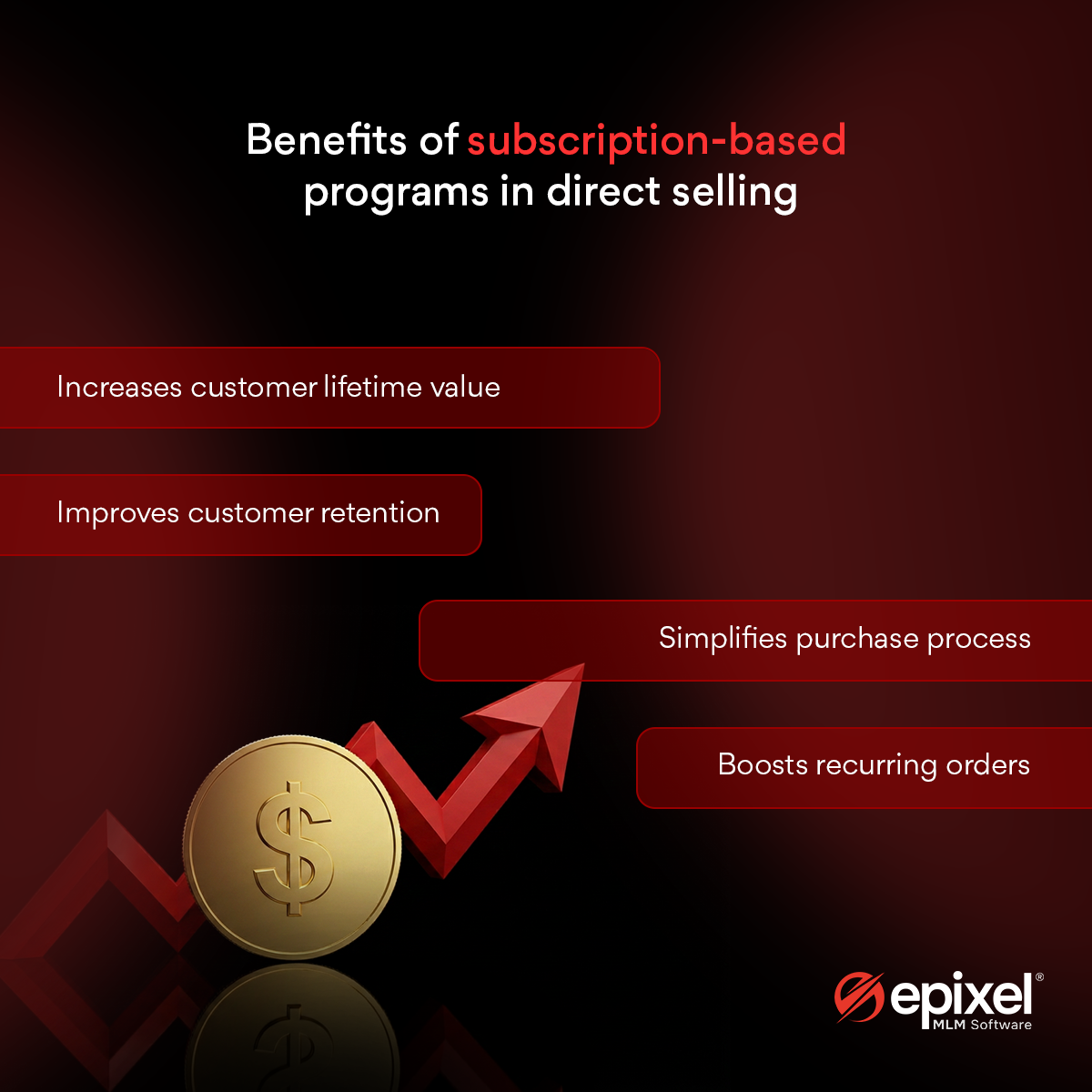
Ecommerce MLM businesses in the US with a subscription-based model run programs to increase recurring revenue and customer retention. Subscription and autoship programs ensure consistent product consumption and predictable revenue.
USANA’s subscription programs

USANA’s subscription programs
Preferred Customer Program offers subscription opportunities for USANA’s customers. This way customers feel privileged to join programs that increase sales for the brand and unique purchasing experience for participants. Customers enrolled in USANA’s Preferred Customer Program get special discounts when they subscribe and the convenience of having products delivered automatically every month.
Preferred customer program
Brands acknowledge customer efforts through preferred customer programs that benefit high-value customers through discounts, earlier offer access, and other account benefits. These strategies make customers feel highly privileged and satisfied and increases long-term engagement and lifetime value. Brands can reduce its dependency on recruitment and focus on strengthening existing customer relationships.
Amway’s Preferred Customer Program
Amway’s Preferred Customer Program
Preferred customers of Amway in the United States are allowed to purchase products at IBO rates without participating in the business opportunity. Customers can register free of cost and continue buying products at discounted prices, and also manage their purchases without any renewal fees. Amway’s strategy helps in attracting customers who are sensitive to pricing and differentiating between customers and distributors.
Customer loyalty and reward programs
Loyalty programs have been a long-held strategy by companies across sectors to increase customer lifetime value and revenue. Customer loyalty and reward programs appreciates customer loyalty with incentives, rewards, discounts, and personalized offers. This strategy, in a way, helps distributors to engage with customers and build long-term relationships based on trust and loyalty.
SeneGence’s reward program

SeneGence’s reward program
The “Kiss & Tell Rewards” program influences customers through a rewarding shopping experience with points for every purchase, review, and social media engagement. Points accumulated through different activities can be used for discounts or future purchases. Customers can also get additional rewards by referring new customers, who will also receive a discount on their first order. The program was launched to increase repeat purchases and customer engagement.
Micro-influencer and ambassador marketing
The rising influence of social media and influencer culture has made it a key part of company strategies. Many direct selling businesses are relying on influencers and affiliates to increase brand awareness and sales. Micro- and nano-influencer programs have become a proven approach where content creators with highly engaged smaller audience groups represent brands and their products. The result is higher conversion rates with lower marketing costs that also align with US consumer preferences.
Nu Skin’s micro- and nano-influencer channel
Nu Skin’s micro- and nano-influencer channel
The company presents its global network of affiliates as a “micro- and nano-influencer” channel where distributors share its products with consumers looking for authentic product recommendations from people they trust. The company is planning to boost its affiliate channel through influencer partnerships and paid search programs.
Epixel’s approach to customer acquisition and retention
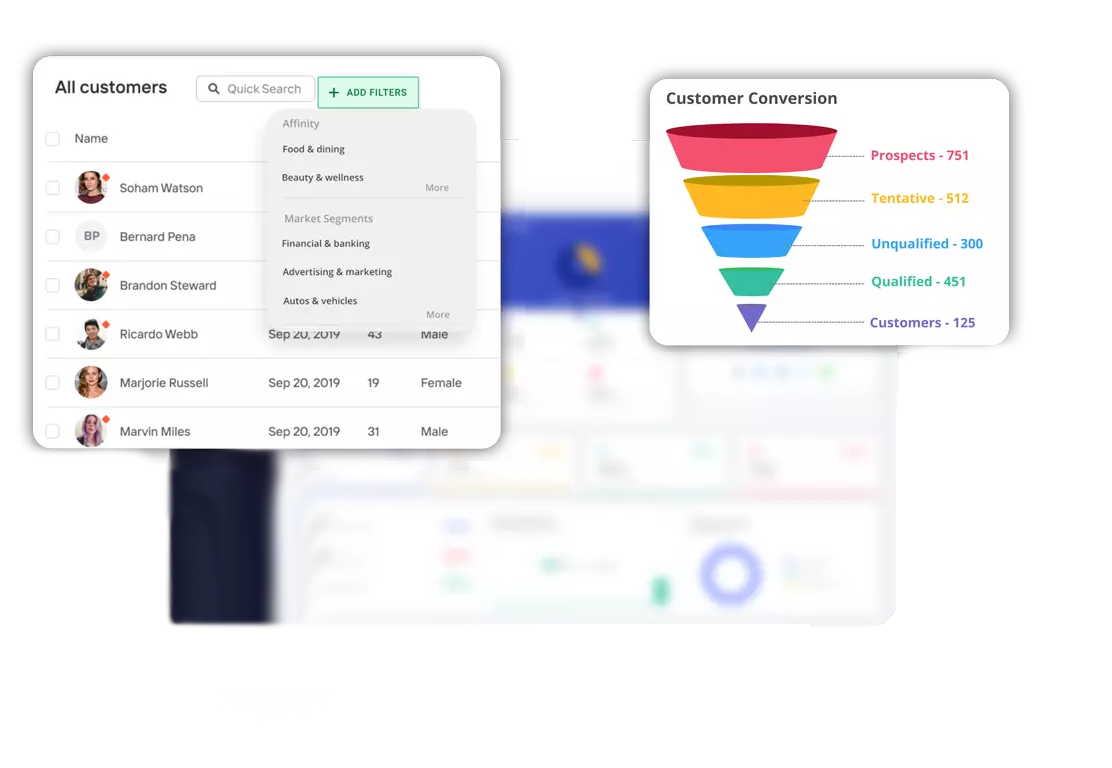
Epixel MLM Platform has an advanced set of tools and features that support customer acquisition and retention. From lead generation to building strong customer relationships to retaining them for the long-term Epixel supports direct selling companies across all sectors to build a sustainable customer network.
Tools and features available in the platform support and efficiently manage:
- Lead generation
- Sales prospecting
- Customer acquisition and retention
- Social recruiting funnel
- Event and webinar recruiting
- Influencer and affiliate management tools
- Referral and ambassador programs
Customer retention analytics is a highlight feature that identifies customers at the risk of churn and alerts businesses to design personalized engagement strategies.
Technology and enablement strategies
Businesses around the globe have kept technology adoption among the topmost priorities in business growth. The level of success and growth that emerging technologies such as AI and automation have brought about is something beyond compare.
AI-powered distributor support and automation
AI-powered assistants and automation systems have only simplified distributor efforts and improved productivity. Personalized support and simplified processes helped distributors with real-time support to manage their business efficiently. Predictive analytics and AI insights on distributor performance helped businesses optimize strategies and make faster decisions.
eXp Realty’s AI Assistant

eXp Realty’s AI Assistant
eXp Realty introduced an AI assistant called Mira for its agents to manage daily activities more efficiently. Agents can track their revenue share, commissions, and performance through simple voice or text interactions with Mira. This AI-driven support system empowered agents and the business to focus more on sales and less on routine administrative tasks.
Operational automation and digital infrastructure strategy
Direct selling companies are investing in automation of business processes and digital infrastructure to improve efficiency, engagement, and productivity. Advanced digital infrastructure with automation is important for timely order fulfillment, payouts, distributor, and customer support. This strategy helps companies reduce operational costs and scale operations without any disruption.
DXN’s digital strategy

DXN’s digital strategy
DXN has automated their production systems, implemented digital platforms, and improved logistics infrastructure to enhance operational efficiency across operating markets. The company benefits from faster order processing, proper inventory tracking, and enhanced distributor engagement. Automation has supported the company with scalable growth opportunities along with consistent service delivery.
IoT-powered product personalization
Another digital trend as seen in the industry is IoT-connected product personalization. Companies use IoT-connected devices with their products to offer hyper-personalized wellness and beauty recommendations. Physical devices are powered with AI-powered apps to collect real-time user data that can increase the relevance of product recommendations, track consumption, and improve customer engagement. Distributors can initiate data-driven conversations with customers during product sales to transform one-time buyers into long-term customers.
Nu Skin’s product transformation strategy
Nu Skin’s product transformation strategy
“Nu Vision 2025” is the strategy launched by Nu Skin to improve product performance and customer experience. As a part of the strategy, Nu Skin launched IoT-connected beauty devices with its Vera and Stela apps. The Vera app uses device data to guide affiliates and customers through personalized skin assessments, product recommendations, and real-time usage tracking. The strategy transformed Nu Skin affiliates to wellness coaches with a product sales approach backed by real data.
Epixel’s digital infrastructure and automation capabilities
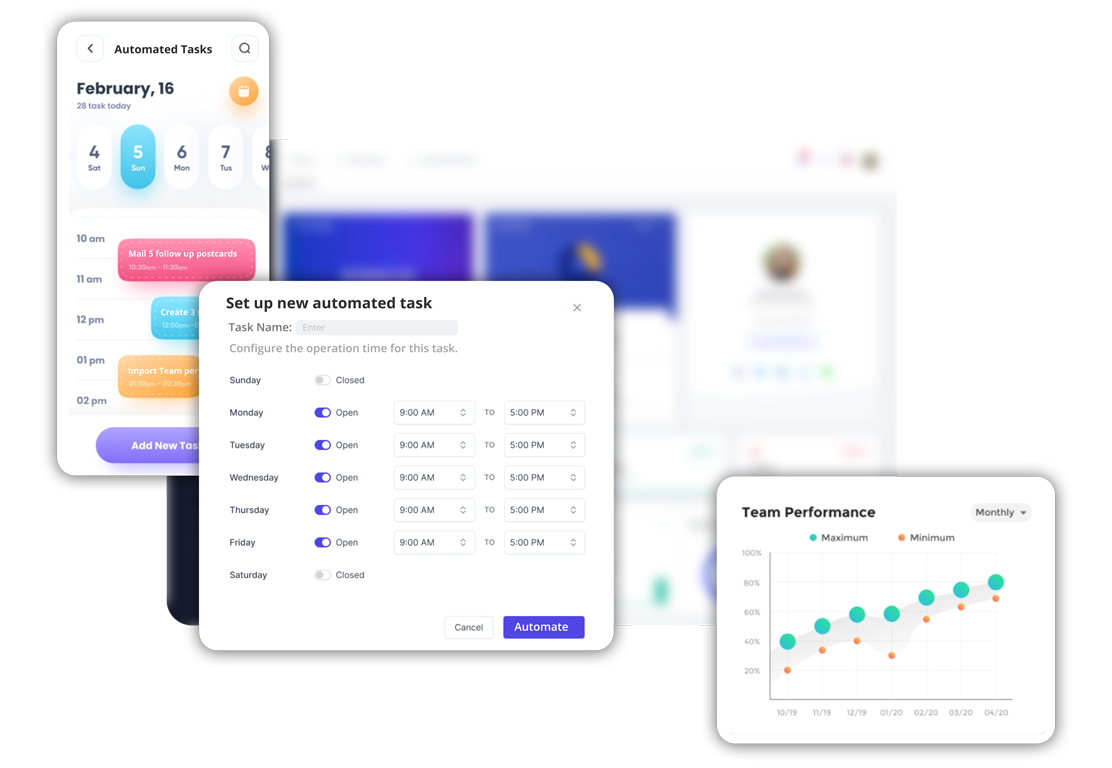
Epixel’s direct selling and MLM solutions are built on scalable architecture and advanced technology frameworks. Automation capabilities of the platform are integrated into core MLM processes such as onboarding, training, commission payments, ecommerce, customer acquisition, and reporting. Epixel uses emerging technologies like AI to offer insights and predict the performance of the business. The AI ecosystem offers unique solutions for MLM businesses operating in various international markets.
Distributor acquisition and retention strategies
Distributor attrition is a common challenge most MLM companies face in the US direct selling industry. Sometimes, even competitive incentive structures give way to the fierce competition for attention, earning opportunities, and flexibility offered by rival companies.
Gig economy approach
When direct selling is positioned as a gig opportunity with flexible side-income along with entrepreneurship. The side hustle culture is growing in the United States and emphasizing low barrier to entry, flexible working hours, and ability to earn supplemental income can bring many passionate prospects to the direct selling network. This strategy also complements the US workforce trend where a large portion of individuals look for additional income opportunities than traditional employment.
Neora’s business opportunity

Neora’s business opportunity
Neora offers its business opportunity as a flexible, work-from-anywhere model that allows individuals to invest efforts and earn according to their preferred schedule. The company promotes it as an easily accessible opportunity for anyone with a phone and internet connection. This approach aligns with the gig economy trend in the US where people opt for side hustles to fit family, work, or personal commitments.
Live events and community building
Brand communities and live events improve engagement and creates a sense of unity among distributors and customers. Understanding the importance, many direct selling companies in the US host brand events such as conferences, regional rallies, and group training sessions to strengthen distributor engagement and retention. These events motivate distributors and serve as a learning opportunity that create long-term commitment within the distributor network.
USANA’s community events
USANA’s community events
USANA is well-known for its large-scale events that bring together distributors from different regions. Events like USANA Live Americas Convention that happened in the United States provide training, keynote sessions from top leaders, and interactive experiences that help participants develop new skills and stay aligned with the company’s vision. USANA also hosts recognition ceremonies and networking opportunities to motivate their distributor network.
Recognition and incentive programs
These are the main attractions of an MLM business opportunity. Along with career growth it offers distributors compelling incentives in recognition of their efforts. These programs recognize distributors with awards, rank advancements, contests, and incentive trips. Public recognition and lifestyle rewards appeal to ambition and social recognition to encourage performance and retention.
PM-International’s Car Incentive Program

PM-International’s Car Incentive Program
The company launched a Car Incentive Program to help distributors cover their monthly car payments as they invest their money in business building activities. The company recently updated this program by up to 50% to strengthen its partnership and ensure growth for its global distributor community. The company also expanded its income plan by increasing product points by 3.3%. The company’s strong recognition culture is designed to retain a passionate network of long-term distributors.
Hybrid Affiliate-MLM model
MLM companies are trying out a blend of the traditional MLM model with affiliate marketing programs. This hybrid approach attracts more promoters, including gig workers and social media creators, without abandoning their MLM network. Companies offer flat affiliate commission rates for distributors who prefer to do only sales and not recruiting. Some companies also allow the MLM team building structure for those who want it.
Young Living’s Hybrid strategy

Young Living’s Hybrid strategy
Young Living introduced their hybrid program, “Wyld Notes”, under which distributors can earn both under MLM and affiliate compensation structures. This gives them the flexibility to operate as traditional direct sellers or simple product promoters.
Epixel’s take on distributor growth and engagement

The platforms developed exclusively for MLM and direct selling companies focus on distributor growth and engagement. The MLM platform offers automated onboarding, replicated websites, performance dashboards, leaderboards, and real-time recognition systems to keep distributors motivated and connected.
Integrated training modules, AI-powered communication tools, and automated incentive management system along with real-time analytics help companies identify performance trends and optimize retention strategies.
Compliance and regulatory strategies
Compliance is crucial to safe MLM operations, especially, in the US with a strict regulatory environment. Businesses often fall under the scrutiny of federal agencies like FTC for reasons that are sometimes beyond the company’s control. Hence companies are building active compliance monitoring systems that monitor distributor behavior and enforce standards that curb unfair trade practices. Compliance is seen more like a trust-building mechanism that elevates brand loyalty.
Compliance enforcement strategies
Companies like Mary Kay, 4Life, and Plexus Worldwide enrolled their executives from legal, marketing, and communications teams in the Direct Selling Compliance Professional (DSCP) certification program. This program trains leaders to monitor distributor activities, marketing claims, and train teams on regulatory expectations. Through this, companies strengthen trust with regulators and reduce risks related to non compliance.
Epixel simplifies compliance and governance
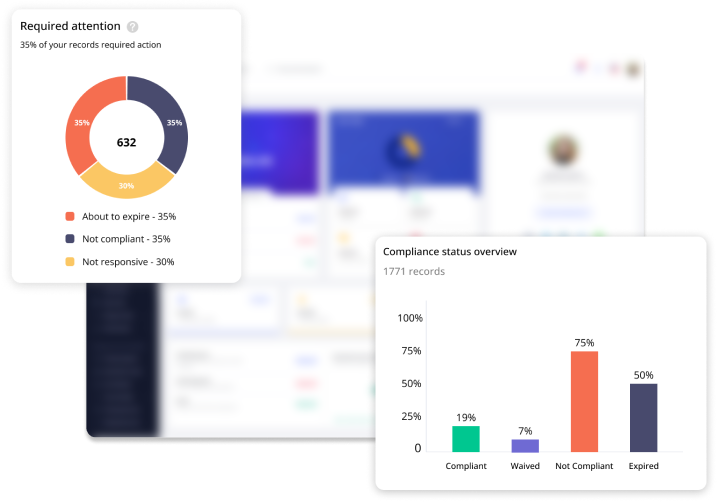
AI-powered compliance moderation scans all content posted across channels from the system for risks of non compliance. Any risks, if found, are alerted to the designated team member for review and remediation. The compliance management system is an adaptable framework that helps MLM companies operating across various international markets to align with the regional regulations and policies.
Channel and distribution strategies
Companies in the US are adopting omnichannel approaches by combining distributor-led sales with ecommerce platforms, online marketplaces, and social commerce channels. These strategies help businesses expand reach, improve customer convenience, and at the same time, maintain distributor involvement.
Controlled Amazon presence
Most direct selling companies in the US also sell on Amazon using brand registry, seller control, and pricing strategies that do not impact distributor channels. This approach protects the brand from unauthorized sellers and their distributors always have a pricing or relationship advantage. It increases marketplace visibility and also protects traditional channels.
Prüvit’s and Herbalife’s channel strategies

Prüvit’s and Herbalife’s channel strategies
Prüvit has a channel in Amazon where it controls its product listings and pricing to protect its distributor network. Prices in Amazon are intentionally set higher than distributor prices to encourage customers to purchase through distributors. The company uses Amazon’s brand tools to reduce unauthorized sellers.
Herbalife also extended its product distribution through digital platforms and direct customer purchasing options along with distributor-led sales. This hybrid model combines ecommerce with relationship-based selling.
Social commerce integration
Social commerce has become a strong marketing strategy in the US direct selling industry with companies encouraging distributors to sell through social platforms like Instagram, Facebook, and TikTok. US consumers are all over social media and the shopping trend led by influencers and affiliates offer great potential for companies to leverage.
MONAT Global’s social commerce strategy

MONAT Global’s social commerce strategy
MONAT Global integrated Meta Platforms for its distributors to share direct purchase links on Instagram and Facebook. After its success with TikTok Shop, the company enhanced its social commerce model to include in-app shopping experiences. The approach is a success combo of network marketing with social commerce in the US direct selling market.
Product and brand positioning strategies
Corporate Social Responsibility (CSR) has become an important brand-defining factor for companies all over the world. Businesses are designing strategies that focus on environmental sustainability, ethical sourcing, and community welfare to strengthen brand identity and trust. Products and brands are marketed highlighting values such as clean ingredients, eco-friendly, and social impact. This helps companies connect with eco-conscious consumers and elevate their brand identity in the process.
Young Living’s sustainability strategies
Young Living’s sustainability strategies
Young Living promotes its Seed to Seal quality commitment in their production process. The process is more like a promise to its customers that transparently show that its products are clean and sustainable.
Discover how we build resilient businesses with advanced MLM functionalities



Conclusion
The US direct selling industry is one of the most dynamic and competitive markets in the world. Every year, new companies enter the market with ambitious goals while others struggle to sustain growth and gradually exit the market. The difference lies in the strategies businesses adopt and how effectively they execute them. Successful companies are the ones that adapt their strategies to changing customer and market demands.
Unique strategies when paired with innovation can bring outstanding results. Businesses that combine AI and automation capabilities with social commerce and hybrid marketing easily attract modern customers and expand reach. Success strategies in the industry are not always fixed. It changes with changing customer preferences and market demands.
Data sources: WFDSA, Company websites, Business For Home, and Direct Selling News.














Leave your comment
Fill up and remark your valuable comment.